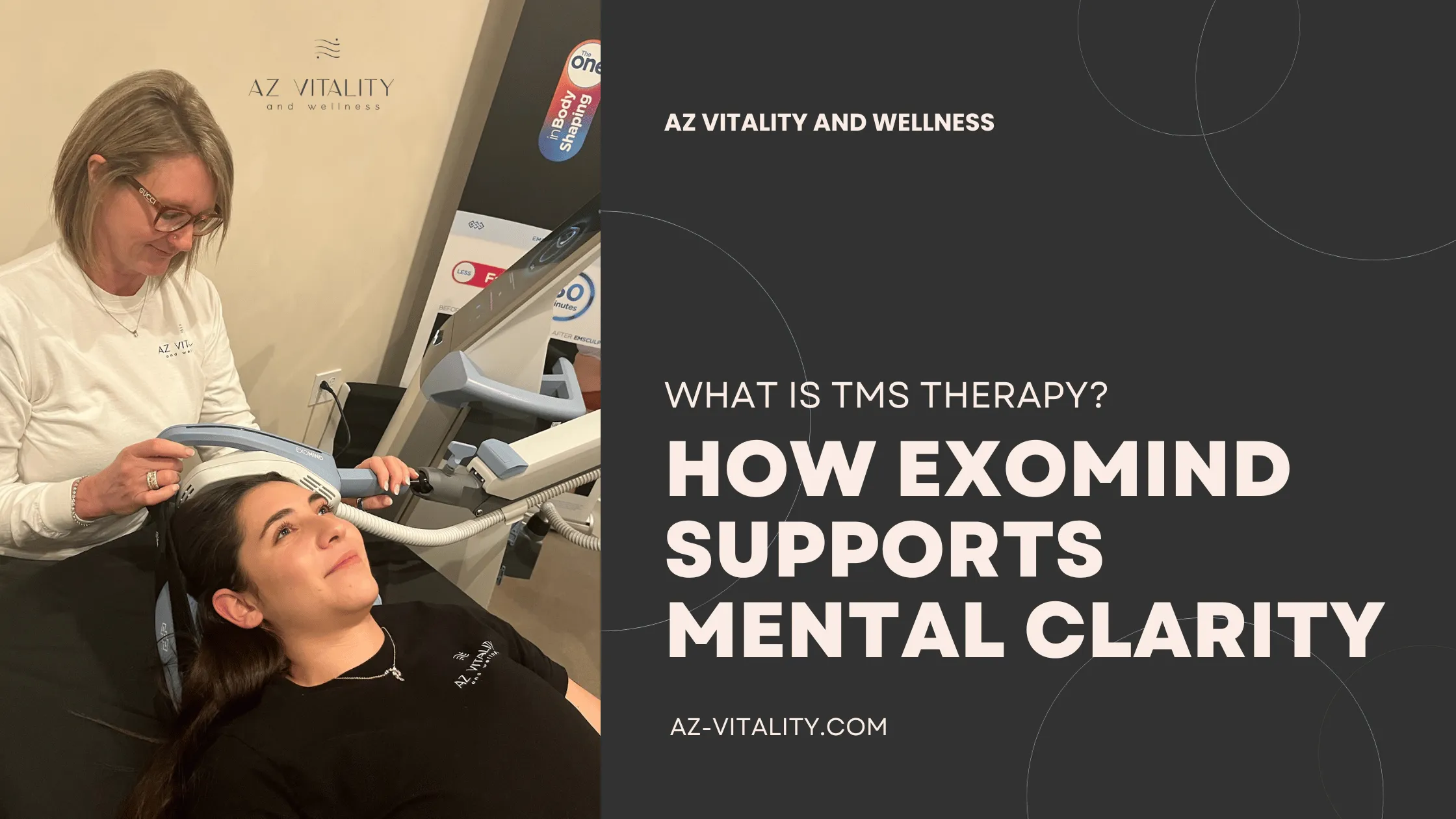
What is TMS Therapy? How Exomind Supports Mental Clarity
A clearer way to think about brain-based mental wellness
When mood, motivation, focus, and emotional resilience feel harder to access, many people start by exploring therapy, lifestyle changes, medication, or a combination of approaches. For some, those options are helpful. For others, symptoms persist, or side effects make long-term treatment difficult. That is where TMS therapy may enter the conversation.
TMS, short for Transcranial Magnetic Stimulation, is a noninvasive brain stimulation therapy that uses magnetic pulses to activate targeted areas of the brain. It is most commonly discussed in connection with depression, especially when standard treatments have not provided enough relief. Mayo Clinic describes TMS as a procedure that uses magnetic fields to stimulate nerve cells in the brain to improve symptoms of major depression, and the FDA classifies repetitive TMS systems as devices that deliver pulsed magnetic fields to specific regions of the cerebral cortex for the treatment of major depressive disorder.
Today, newer platforms such as EXOMIND are helping bring TMS-based technology into a broader mental wellness conversation. EXOMIND is built on ExoTMS technology, a specialized form of transcranial magnetic stimulation designed to support mood regulation, emotional balance, and mental clarity. The manufacturer states that EXOMIND is FDA-cleared for the treatment of depression, while its use for other concerns is considered an adjunctive wellness approach.
What is TMS therapy?
TMS therapy is a non-surgical, drug-free treatment performed in a clinical setting. During a session, a device delivers magnetic pulses through a coil positioned near the scalp. These pulses are designed to stimulate nerve cells in specific brain regions involved in mood, motivation, and emotional regulation.
Unlike medications that circulate throughout the body, TMS treatment is localized. It does not require anesthesia, incisions, or recovery downtime in the way an invasive procedure would. In many cases, people are able to return to normal daily activities after a session. Mayo Clinic notes that repetitive TMS is typically performed in an office or clinic and usually requires a series of sessions to be effective. (mayoclinic.org)
The goal is not to “force” a mood change in the moment. Instead, TMS is intended to influence brain activity over time. For depression, treatment often focuses on areas of the brain that may show lower activity in people experiencing depressive symptoms. By repeatedly stimulating these areas, TMS may help improve the communication patterns involved in mood and cognitive function.
How does TMS treatment work?
During a typical TMS session, the patient sits comfortably while the provider positions the treatment coil. The device then delivers a series of magnetic pulses. Patients may hear clicking sounds and feel tapping or pulsing sensations on the scalp.
The magnetic field passes through the skull and induces small electrical currents in targeted brain tissue. These currents are not the same as an electric shock. The person remains awake, alert, and able to communicate with the care team throughout the session.
For TMS for depression, one commonly targeted area is the left dorsolateral prefrontal cortex, a region associated with mood regulation, executive function, and motivation. TMS is thought to activate brain regions that may be underactive during depression, although researchers continue to study the exact biological mechanisms. (mayoclinic.org)
A complete treatment plan usually involves multiple sessions. The exact protocol can vary depending on the device, diagnosis, provider recommendation, and individual response. Because mental wellness is highly personal, a consultation is essential before beginning any TMS-based therapy.
What is EXOMIND?
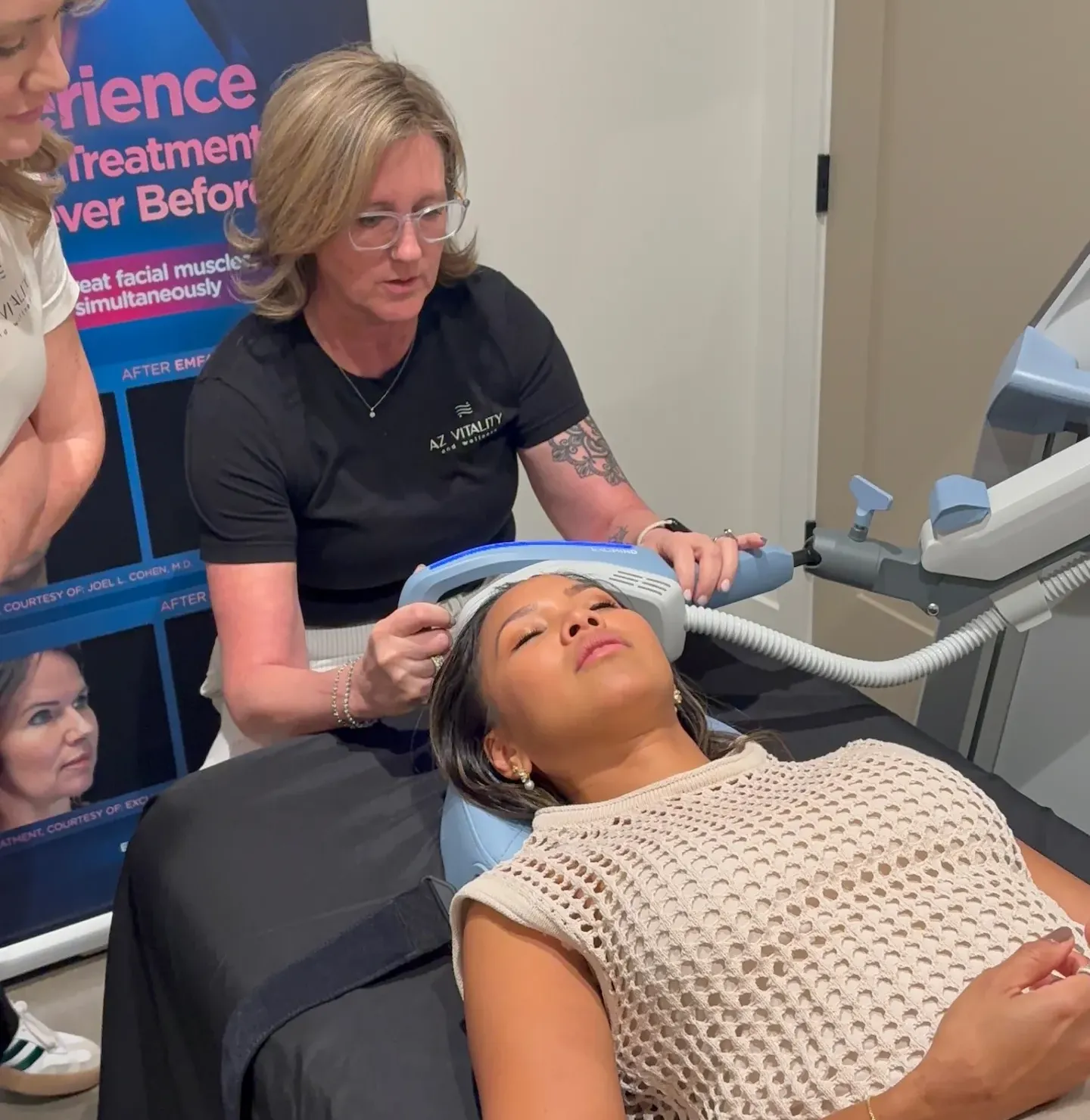
EXOMIND is a modern TMS-based technology designed to support mental and emotional well-being. It uses ExoTMS technology to deliver targeted magnetic stimulation to brain areas associated with mood regulation and emotional balance. According to EXOMIND’s own materials, the treatment is noninvasive, drug-free, and designed to help individuals struggling with depression and related mental wellness concerns. (exomindlife.com)
What makes EXOMIND especially relevant in today’s wellness landscape is its focus on both clinical support and day-to-day mental clarity. Many people searching for mental wellness solutions are not only looking for symptom relief. They also want to feel more present, focused, emotionally steady, and capable of engaging with life.
That said, it is important to keep the language precise. EXOMIND is not a substitute for emergency mental health care, psychotherapy, psychiatric evaluation, or prescribed treatment when those are needed. It should be considered as part of a professional care plan, especially for individuals with diagnosed depression or complex mental health histories.
How EXOMIND may support mental clarity
Mental clarity is not just the ability to concentrate. It can include feeling emotionally regulated, less mentally “stuck,” more motivated, and better able to make decisions. When depression, stress, or emotional dysregulation interferes with the brain’s normal patterns, everyday thinking can feel slower or heavier.
EXOMIND is designed to stimulate neural pathways involved in mood and emotional balance. The concept is based on neuroplasticity, the brain’s ability to adapt and form new patterns over time. EXOMIND’s public materials describe its technology as targeting and activating regions responsible for mood regulation and emotional balance through noninvasive brain stimulation. (exomindlife.com)
For some patients, improved mood may also make it easier to experience clearer thinking. When depressive symptoms begin to lift, people may find it easier to focus, plan, connect with others, and follow through on daily responsibilities. This is one reason mental wellness treatments often look beyond mood alone and consider the whole person’s quality of life.
Individual results vary. Some people respond well to TMS-based treatment, while others may need additional therapies, medication management, lifestyle support, or a different clinical approach.
TMS for depression: why it matters
Depression is more than sadness. It can affect sleep, appetite, energy, self-worth, concentration, relationships, and physical health. For some people, first-line treatments such as antidepressant medication and talk therapy work well. For others, symptoms remain despite meaningful effort.
That is where TMS for depression may be considered. Mayo Clinic notes that repetitive TMS may be used when standard treatments such as medication and psychotherapy have not worked. (mayoclinic.org)
The appeal of TMS is that it offers a non-medication option. This can be meaningful for people who have not responded adequately to antidepressants, have experienced side effects, or are looking for an additional tool under medical guidance.
However, TMS is not automatically appropriate for everyone. A qualified provider should review your symptoms, diagnosis, medical history, medications, prior treatments, and safety factors before recommending a plan.
What to expect during an EXOMIND consultation
A professional consultation helps determine whether EXOMIND or another TMS therapy option may be appropriate. During this visit, a provider may ask about:
This evaluation is important because TMS uses magnetic energy. Mayo Clinic advises patients to tell their provider about implanted devices, a history of seizures, brain injury, frequent headaches, pregnancy, and other mental health or medical conditions before TMS treatment. (mayoclinic.org)
A good consultation should also set realistic expectations. The provider should explain the recommended number of sessions, what sensations you may feel, possible side effects, and how progress will be tracked.
What does a session feel like?
Most TMS-based sessions are performed while the patient is seated and awake. You may feel rhythmic tapping or pulsing on the scalp while the device is active. Some people describe the sensation as unusual at first but tolerable. Ear protection may be used because the device can make clicking sounds.
There is typically no sedation. You should be able to talk with the provider during the session and resume most normal activities afterward, unless your clinician gives you different instructions. Researchers have noted that after rTMS, people can usually work and drive, though a short-term headache may occur. (mayoclinic.org)
With EXOMIND specifically, session structure may vary by provider and treatment plan. The most accurate information will come from the clinic performing the treatment.
Potential benefits of TMS-based mental wellness care
People explore TMS therapy and EXOMIND for several reasons. Potential advantages may include:
These benefits should be discussed in the context of your personal health. TMS can be a powerful tool, but it is not a guaranteed solution or a one-size-fits-all treatment.
Safety considerations and who may not be a candidate
TMS is generally considered noninvasive, but safety screening matters. Because treatment involves magnetic fields, people with certain implanted metal or electronic devices may not be candidates. This can include some pacemakers, cochlear implants, deep brain stimulators, implanted pumps, aneurysm clips, or other metal objects in or near the head.
A history of seizures, certain neurological conditions, bipolar disorder, psychosis, substance use concerns, or traumatic brain injury may also require special evaluation. This does not always mean TMS is impossible, but it does mean a qualified clinician must carefully assess risk.
If you are experiencing suicidal thoughts, thoughts of harming yourself, or a mental health crisis, seek immediate support through emergency services, a crisis hotline, or a licensed mental health professional. TMS and EXOMIND are not replacements for urgent care.
EXOMIND vs. traditional mental wellness options
EXOMIND does not have to be viewed as competing with therapy, medication, nutrition, movement, sleep support, or mindfulness practices. In many cases, the strongest mental wellness plans combine multiple tools.
Talk therapy can help you understand patterns, build coping skills, process experiences, and improve relationships. Medication may help regulate mood chemistry for many people. Lifestyle support can improve resilience and reduce stress load. TMS-based care may add a brain stimulation option that targets neural activity more directly.
The best approach depends on the person. For someone with major depressive disorder, EXOMIND may be considered within a clinical depression treatment plan. For someone focused on broader mental wellness, a provider should clearly explain what is evidence-based, what is adjunctive, and what outcomes are realistic.
Questions to ask before starting treatment
Before beginning EXOMIND or any TMS treatment, consider asking:
Clear answers help you make an informed decision and avoid unrealistic expectations.
Frequently asked questions
Is EXOMIND right for you?
EXOMIND may be worth exploring if you are interested in a noninvasive, medication-free approach to mental wellness or if you have depression symptoms that have not improved enough with standard care. It may also appeal to people who want to support emotional balance and mental clarity under professional supervision.
The next step is not to decide on your own. The next step is to speak with a qualified provider who can review your history, answer your questions, and determine whether EXOMIND or another form of TMS therapy is appropriate.
Take the next step toward mental clarity
You do not have to navigate depression, low motivation, or emotional overwhelm alone. With modern options like EXOMIND and evidence-informed TMS therapy, mental wellness care can be more personalized than ever.
Schedule a consultation with a trained provider to learn whether EXOMIND is a good fit for your goals, your health history, and your path toward clearer, more balanced living.
Give us a call today at 602-540-3547 to schedule a free consultation and learn more about EXOMIND at AZ Vitality and Wellness.