Women’s Sexual Health & Hormone Care in Peoria, AZ

Changes in desire, comfort, and confidence are among the most common concerns women bring to us, and among the least talked about. At AZ Vitality and Wellness in Peoria, our Nurse Practitioners treat women’s sexual health as real medicine: we test rather than guess, we explain what the numbers mean, and we build a plan around your body and your goals. We see women from Peoria, Glendale, Surprise, and across the Northwest Valley.

Low Libido, Dryness or Painful Sex? It Is Often Hormonal, but Not Always

Estrogen, progesterone, and testosterone all influence desire, lubrication, tissue health, and sensation. When they shift, as they do in perimenopause, menopause, PCOS, after pregnancy, or under chronic stress, sexual symptoms are often the first thing a woman notices. But not every case is hormonal. Thyroid function, insulin resistance, certain medications, pelvic floor weakness, and sleep all play a role. That is why our evaluation looks at the whole picture before anyone talks about treatment.

Women’s Sexual Health Symptoms We Treat in Peoria

Sexual health symptoms

  • Low or absent sexual desire (including diagnosed HSDD)
  • Vaginal dryness or discomfort
  • Pain with intercourse
  • Decreased sensation or difficulty reaching orgasm
  • Urinary leakage with coughing, exercise or urgency

Hormone symptoms that usually travel with them

  • Fatigue and poor sleep
  • Hot flashes or night sweats
  • Unexplained weight gain
  • Mood swings, anxiety or irritability
  • Brain fog
  • Irregular cycles
  • Hair thinning or skin changes

These cluster differently by life stage: irregular cycles, PCOS and fertility concerns in your 20s and 30s; cycle changes, sleep disruption and mood shifts in your 40s; hot flashes, dryness and bone density changes after menopause. If you recognize several of these, hormone testing usually brings clarity.

Book your consultation today!

How We Evaluate Women’s Sexual Health (and When to Test)

Step 1: Consultation with a Nurse Practitioner

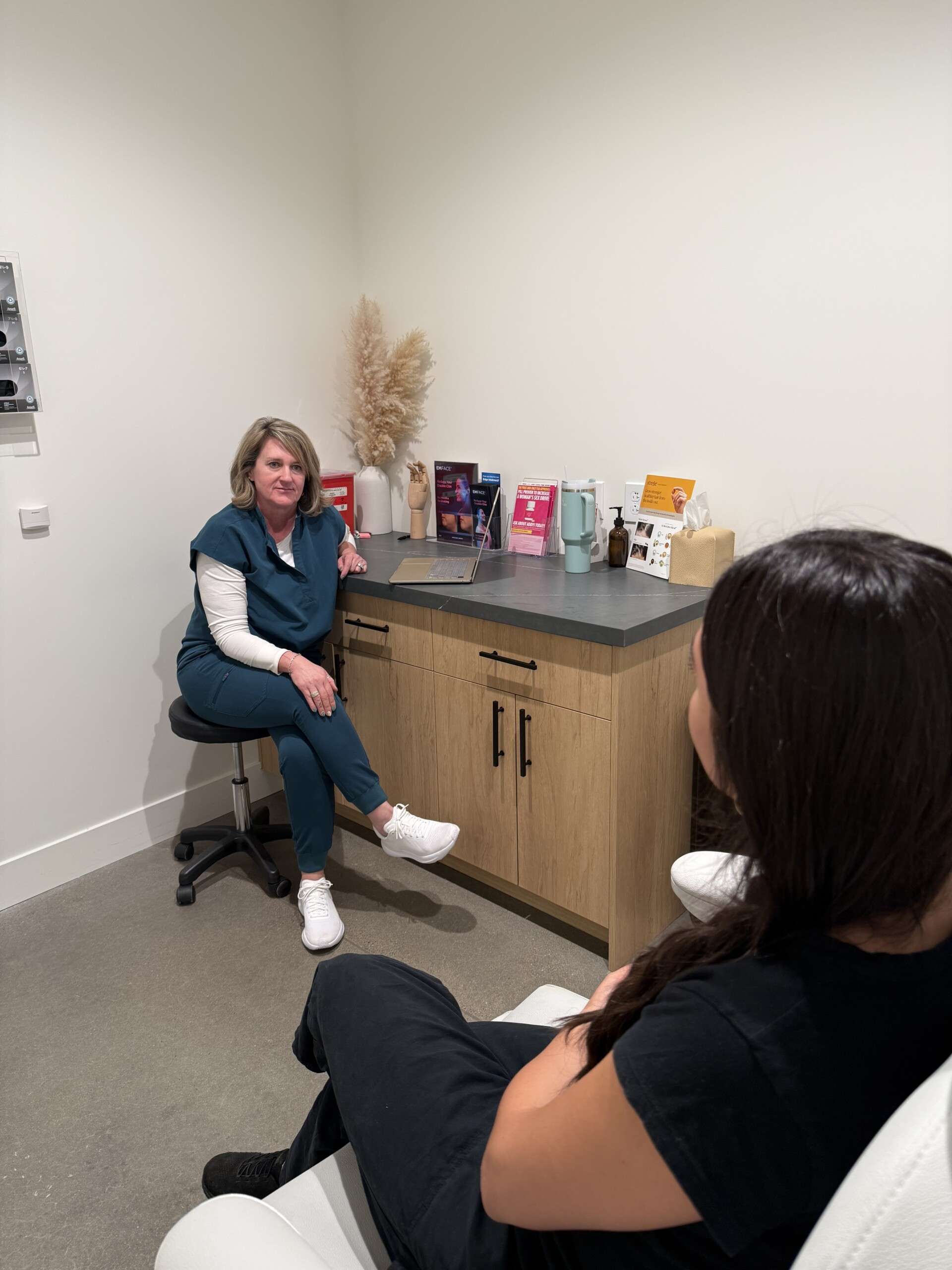
A 45- to 60-minute visit at our Happy Valley Road office in Peoria. We review your history, cycling pattern, medications, sleep, stress, and exactly what has changed. Nothing is off-limits, and nothing is rushed.

Step 2: In-house hormone and lab testing

Labs are drawn on-site at our in-house lab. We typically measure estradiol, progesterone, total and free testosterone, a thyroid panel, and metabolic markers such as fasting insulin and A1C. If you still have cycles, timing matters: we schedule the draw for the phase of your cycle that gives the most useful reading.

Step 3: Your personalized plan

At your results visit, your NP walks through each value and what it means for your symptoms. Your plan may include hormone therapy, a non-hormonal option like Addyi, pelvic floor treatment with EMSella, weight and metabolic support, or a combination. You leave knowing what we are treating and why.

Step 4: Follow-up and adjustments

Hormone care is not set-and-forget. We recheck labs and symptoms at 6 to 8 weeks, then every 3 to 6 months, and adjust dosing as your body responds.

This is not a one-size-fits-all program. It’s precision care.

Treatment Options for Women’s Sexual Health in Peoria

Your plan is built from your results, not a package. These are the treatments we use most often, on their own or together.

EMSella for pelvic floor strength and bladder control

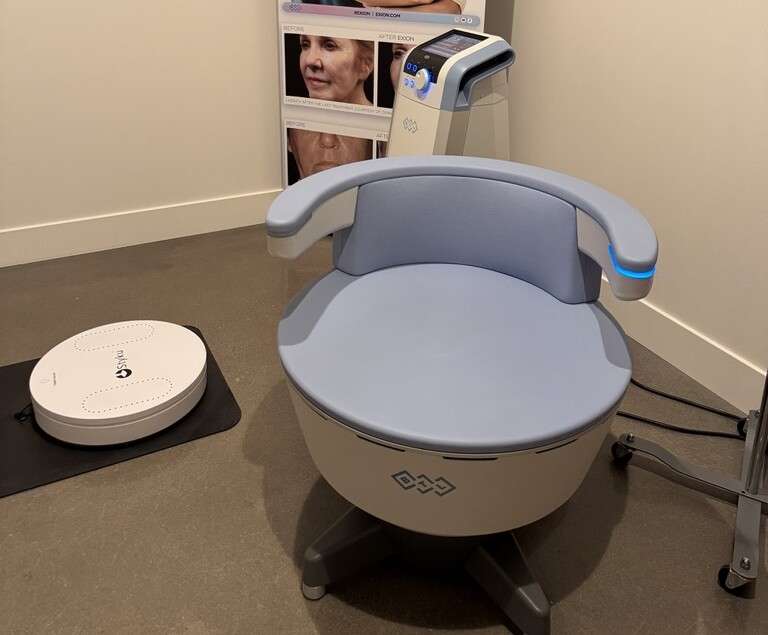
EMSella is an FDA-cleared, non-invasive treatment that uses focused electromagnetic energy to contract the pelvic floor muscles thousands of times per session while you sit fully clothed for about 30 minutes. It is used for stress and urge urinary incontinence and pelvic floor weakness. A typical course is 6 sessions over several weeks. Learn more on our EMSella page.

EMSella chair treatment Peoria AZ for women’s pelvic floor strengthening

Benefits include:

  • Improved bladder control
  • Stronger pelvic floor support
  • Many women also report improved sensation and confidence
  • Non-invasive with no downtime

Bioidentical hormone therapy (BHRT) for women

When testing shows low or fluctuating estrogen, progesterone, or testosterone, bioidentical hormone therapy is a well-established option for restoring balance and relieving dryness, low libido, hot flashes, sleep, and mood symptoms. We prescribe bioidentical hormones and monitor your levels throughout. For a full explanation of how hormone therapy works, its safety, and what to expect, see our Hormone Replacement Therapy in Peoria page.

Addyi (flibanserin) for low sexual desire (HSDD)

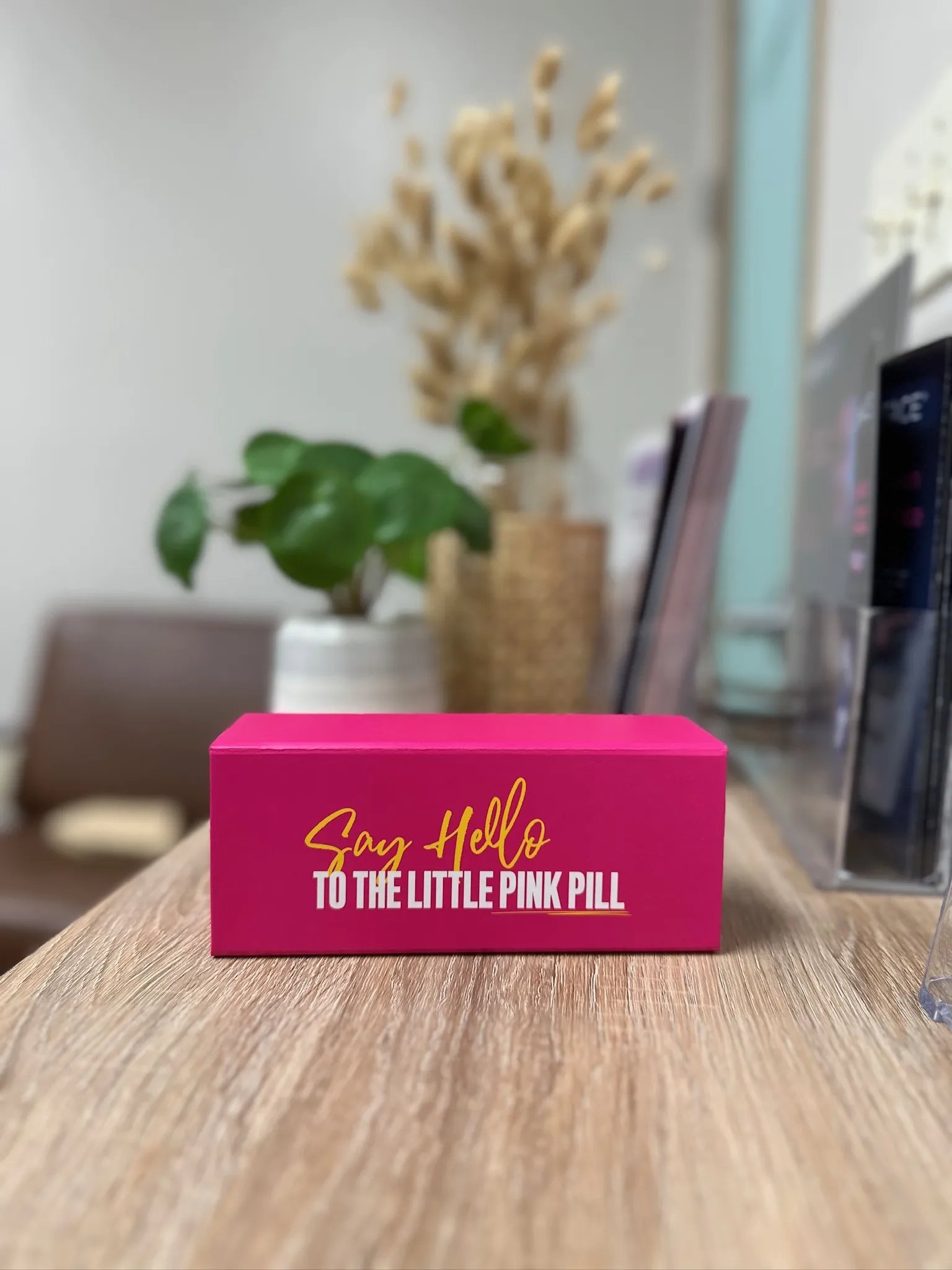
Addyi prescription medication for women with low libido in Peoria

Addyi is an FDA-approved, once-daily prescription for hypoactive sexual desire disorder. It was approved for premenopausal women in 2015 and, as of December 2025, for postmenopausal women under 65. It works on brain chemistry linked to desire rather than on hormone levels, which makes it an option when hormones are normal or when hormone therapy isn’t appropriate. Addyi carries specific precautions around alcohol and blood pressure and isn’t right for everyone. Your NP will review your history and medications to decide whether it’s a fit.

Benefits May Include: 

  • Increased sexual desire
  • Improved satisfaction
  • A non-hormonal treatment option

Supporting therapies: medical weight loss and IV therapy

Excess weight and insulin resistance can worsen hormone-related symptoms, so when they’re part of the picture, we may recommend our medically supervised weight-loss program, which includes GLP-1 therapy. IV therapy can help with energy and hydration while the rest of your plan takes effect. Neither replaces hormone care; both can support it.

What to Expect: Timeline and Follow-Up

Most women notice changes in sleep, energy, and mood within 2 to 4 weeks of starting hormone therapy. Libido and vaginal comfort typically improve over 6 to 12 weeks. Addyi is usually assessed at 8 weeks. EMSella results build over the course of treatment and are often maintained with periodic sessions. Your NP sets clear checkpoints, so you always know what improvement should look like and when it should occur.

Why Women in Peoria, Glendale, and Surprise Choose AZ Vitality and Wellness

  • Care led by experienced Nurse Practitioners, not a sales team
  • In-house lab testing, so results come back fast
  • Hormonal and non-hormonal options under one roof: BHRT, Addyi and EMSella
  • Ongoing monitoring, with dosing adjustments included in your plan
  • Located at 7984 W Happy Valley Rd., Suite 115, Peoria, AZ 85383, minutes from Glendale, Surprise and Sun City

We listen. We test. We personalize.

Frequently Asked Questions About Women’s Sexual Health and Hormones

You can’t know from symptoms alone, because fatigue, low libido, weight gain, and mood changes have several possible causes. The reliable way to find out is lab testing, interpreted alongside your history. If you have three or more of the symptoms listed above, testing is a reasonable next step.

The most common causes are perimenopause and menopause, polycystic ovary syndrome (PCOS), thyroid dysfunction, insulin resistance, chronic stress, and poor sleep. Significant weight change, certain medications, and the postpartum period can also shift hormone levels.

If you’re still having periods, the phase of your cycle matters. Estrogen and progesterone are usually checked around days 19 to 22 of a 28-day cycle, while other markers can be drawn any time. If you’re postmenopausal or have irregular cycles, testing can be done any day. Morning draws are preferred for testosterone and cortisol, and we schedule your draw accordingly.

For most healthy women within about ten years of menopause, current evidence supports hormone therapy as safe and effective when a qualified provider prescribes and monitors it. In November 2025, the FDA removed its long-standing boxed warnings about heart disease, breast cancer, and dementia from menopausal hormone therapy products, reflecting updated evidence. Safety still depends on your individual history, which is why we review it carefully before starting.

Yes. Fluctuating estrogen and progesterone are linked to anxiety, irritability, and sleep disruption. Declining estrogen, combined with insulin resistance, commonly shifts weight toward the midsection. Treating the underlying imbalance often improves both.

Addyi is for women with hypoactive sexual desire disorder: persistent low desire that causes distress and isn’t explained by another condition, a relationship issue, or a medication. In clinical trials, it produced a modest but meaningful increase in desire and satisfying sexual events compared with placebo. It isn’t a hormone, and it isn’t an on-demand pill. It’s taken nightly and usually evaluated at eight weeks.

Sleep, energy, and mood often improve first, within a few weeks. Libido, vaginal comfort, and body composition take longer, typically two to three months. We set checkpoints with you so progress is measured, not guessed.

No. Some women use hormone therapy for a defined period to get through the transition. Others continue longer because, for them, the benefits outweigh the risks. We reassess with you at every follow-up, and you can taper or stop at any point with our guidance.

Schedule a Women’s Health Consultation in Peoria

You don’t have to accept low desire, discomfort, or leaking as your new normal. The first step is a conversation and a lab draw at AZ Vitality and Wellness, 7984 W Happy Valley Rd., Suite 115, Peoria, AZ 85383.

Call 602-540-3547 or book online to get started.

Explore related care: Hormone Replacement Therapy in Peoria, EMSella pelvic floor treatment, and In-House Lab Testing.