Peptide Therapy in Peoria and North Phoenix, AZ

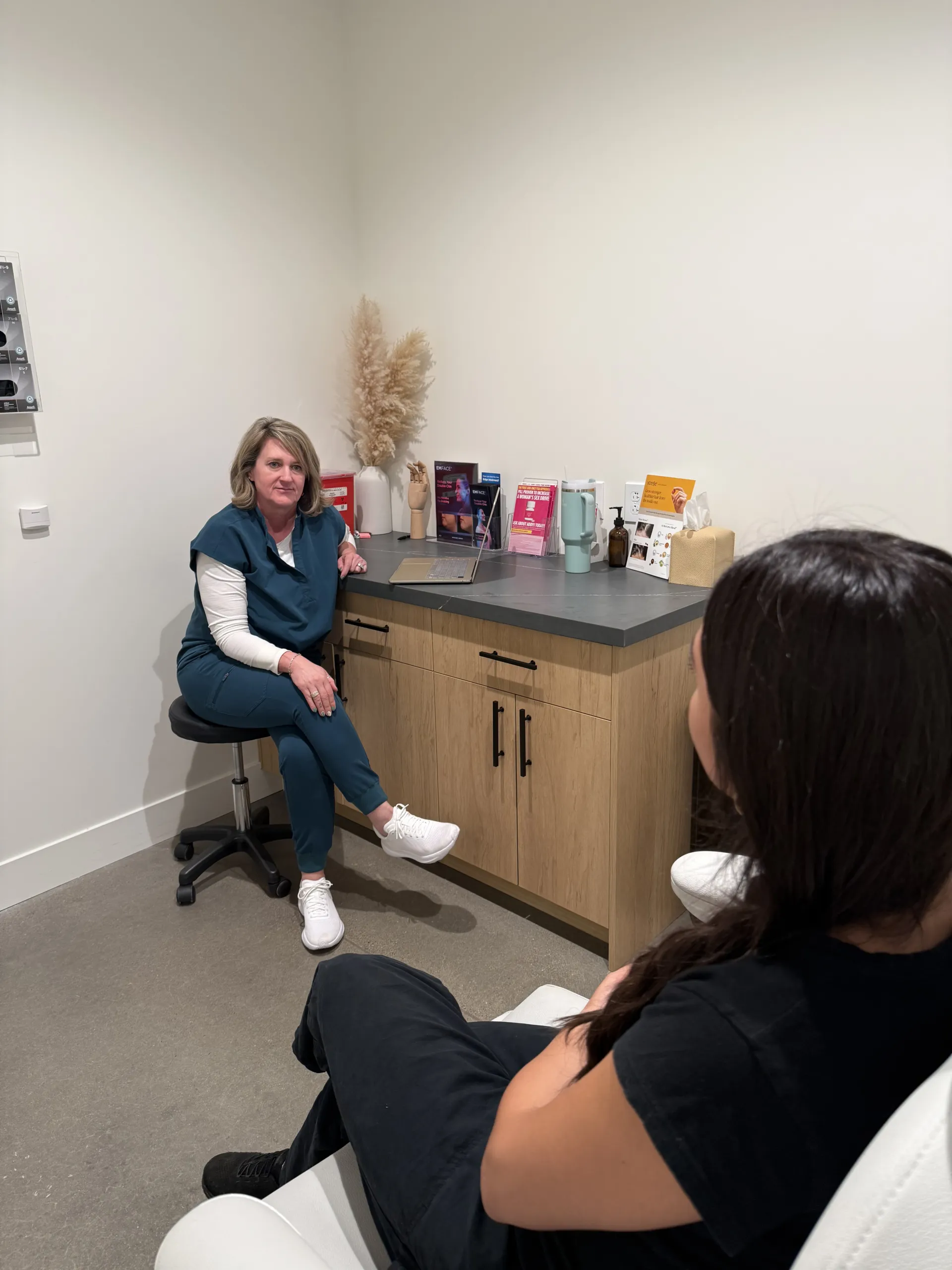
image portraying wellness and peptide therapy

Peptide therapy at AZ Vitality and Wellness in Peoria, Arizona, is designed to help your body heal, recover, and perform at a higher level. Whether your goal is weight loss, muscle growth, anti-aging, or faster recovery, our medically guided peptide treatments are customized to your specific needs.

We proudly serve patients in Peoria, Glendale, North Phoenix, and surrounding areas looking for advanced, non-invasive solutions to optimize their health from the inside out.

How peptide therapy works

Peptides are short chains of amino acids that act as signaling molecules — they tell cells to build muscle, mobilize fat, repair tissue, or release growth hormone. The natural production of many of these signals declines with age, and peptide therapy aims to restore them.

If you want a longer explanation of the biology, we wrote a full guide titled “What Is Peptide Therapy?”

The rest of this page covers what treatment actually looks like here — who it suits, what it costs, what the risks are, and how to start.

Who peptide therapy is for – and who it is not for

Most of the patients we start on peptides fall into one of three groups:

  • Adults who have plateaued on a weight loss program and want to address metabolism rather than add restriction.
  • Active adults and athletes recovering from a soft-tissue injury or managing training load.
  • Adults in their 40s, 50s, and 60s noticing changes in sleep, energy, body composition, and recovery who are not ready for full hormone replacement.

Peptide therapy is not appropriate for everyone. Our providers will review all medical history to determine the appropriate treatment. Your consultation and lab work exist specifically to catch these.

Peptide Therapy for Weight Loss in Peoria

If diet and exercise have stopped moving the number, the question is usually metabolic rather than behavioral. Peptides used in this context target how the body stores and mobilizes fat rather than appetite alone.

AOD-9604 is a fragment of human growth hormone that has been studied for its effect on fat metabolism. Published human trial results have been mixed, and it is not FDA-approved for weight loss — we will tell you honestly where the evidence sits before you start.

For many patients, peptides work best alongside our medical weight loss program rather than instead of it. Your provider will tell you which order makes sense for your labs.

Peptides for Recovery, Injury, and Perfomance

BPC-157 is the peptide most often asked about for recovery. It has been studied for tendon, ligament, and gut tissue repair, though most of the published work is animal-based, and the human evidence base remains small. We use it in specific situations, not as a default.

Patients who come to us for recovery support are usually training through something — a shoulder that has not settled, a chronic knee, a training block that is outrunning their sleep. Recovery protocols here are typically paired with lab work checking inflammatory markers and hormone status, because a recovery problem is often a sleep or testosterone problem wearing a disguise.

Peptides for anti-aging and hormone support

Sermorelin and the CJC-1295/ipamorelin combination work upstream: rather than supplying growth hormone, they prompt the pituitary to produce more of its own. Patients typically report improvements in sleep first, then recovery, and then changes in body composition over a longer time horizon.

This is often the right starting point for someone who suspects a hormone issue but does not want to begin replacement therapy. If your labs point somewhere else, we will say so — see our hormone imbalance program.

Peptides available at our Peoria clinic

Peptide What it targets How it is given Regulatory status
Sermorelin Natural growth hormone production, sleep, and recovery Subcutaneous injection Compounded; not currently an FDA-approved product
CJC-1295 / Ipamorelin Recovery, sleep quality, lean mass Subcutaneous injection Compounded; reclassified to Category 1 in 2026 — not FDA-approved
BPC-157 Soft tissue repair, gut health, inflammation Subcutaneous injection Compounded; reclassified to Category 1 in 2026 — not FDA-approved
AOD-9604 Fat metabolism Subcutaneous injection Compounded; human trial results mixed — not FDA-approved
Thymosin beta-4 (TB-500) Tissue repair and regeneration Subcutaneous injection Compounded; reclassified to Category 1 in 2026 — not FDA-approved
Bremelanotide (PT-141) Sexual desire Subcutaneous injection FDA-approved as Vyleesi for HSDD in premenopausal women; other uses off-label
IGF-1 LR3 Cellular growth, athletic performance Subcutaneous injection Not FDA-approved; prohibited in tested competition

Every one of these requires a prescription and a provider evaluation. We do not sell peptides over the counter, and we do not write protocols without labs.

How much does peptide therapy cost in Arizona?

Peptide therapy at AZ Vitality and Wellness is priced in three parts: your consultation, your lab work, and your monthly protocol.

The initial consultation is $150. That covers a full review of your history and goals with a provider, and a recommendation on whether peptides are the right starting point for you.

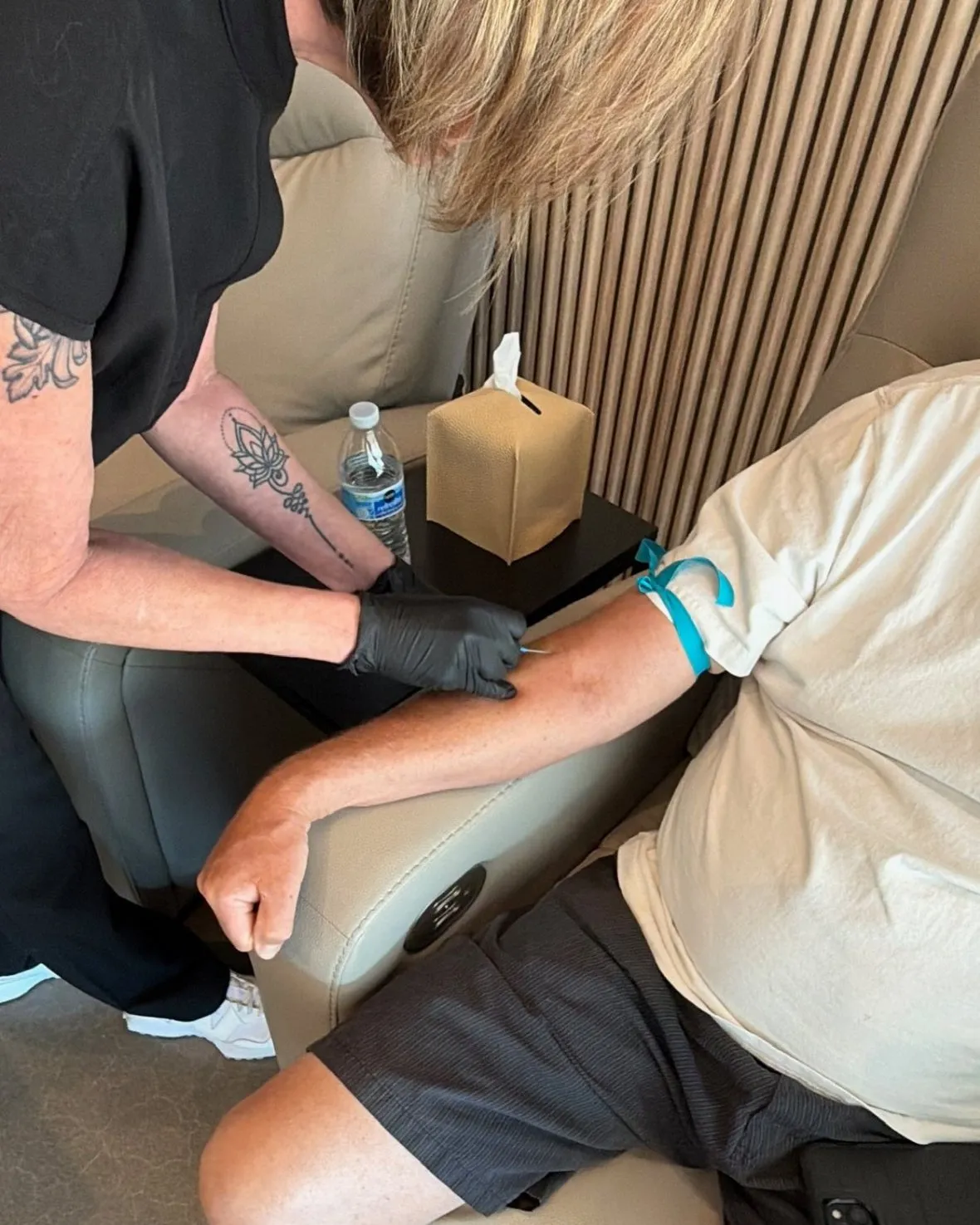
Lab work is priced separately and depends on which panels your provider orders. A full blood panel is $275. We draw labs in our own clinic, so you are not sent elsewhere and billed twice.

Protocol cost varies depending on which peptides are prescribed, the dose, and the duration. A single-peptide protocol costs less than a combination protocol, and longer commitments cost less per month than month-to-month. We do not quote protocol pricing over the phone, because the honest answer depends on your labs. You will have your exact monthly cost in writing at your consultation, before you commit to anything.

Peptide therapy is generally not covered by insurance because these compounds are compounded rather than FDA-approved for these uses. We accept HSA and FSA cards, and payment plans are available. Bundled options are listed on our packages page.

What to expect: your first 90 days

Consultation and labs: We review your history, your goals, and a lab panel drawn at our in-house lab. Results usually come back within a few days.

Protocol and first dose: Your provider selects the peptide or combination based on those results. Most peptides are administered as a small subcutaneous injection, and most patients self-administer at home after we walk them through the process in the office.

Weeks 2 to 4: Sleep and recovery are usually the first things patients notice.

Weeks 8 to 12: Body composition and energy changes typically become measurable here. We repeat labs and adjust. This is also when we decide whether to continue, change compounds, or stop.

Serving Peoria, Glendale, Surprise, Scottsdale, and North Phoenix

Our clinic is at 7984 W Happy Valley Rd., Suite 115, Peoria, AZ 85383, just off the Happy Valley corridor with easy access from the Loop 303 and I-17. Patients drive to us from across the North Valley — Glendale, Surprise, Sun City, Anthem, Scottsdale, and North Phoenix — because peptide programs run by a clinic with in-house labs and a full provider team are not on every corner.

Directions and hours are on our location page.

Frequently Asked Questions

Peptide therapy is priced in three parts. At AZ Vitality and Wellness in Peoria, the initial consultation is $150, and a full blood panel is $275. The monthly protocol cost depends on which peptides are prescribed and at what dose, and you receive that figure in writing at your consultation. Insurance generally does not cover peptide therapy; HSA and FSA cards are accepted.

Under medical supervision, most patients tolerate peptide therapy well. The most common side effects are injection-site reactions, temporary water retention, headache, and first-week fatigue. The larger caveat is that most peptides used in wellness settings are compounded rather than FDA-approved, so long-term safety data is limited. That is why we require lab work before starting and repeat it during treatment.

With one exception, no. Bremelanotide (PT-141) is FDA-approved as Vyleesi for a specific sexual health indication in premenopausal women. The others are compounded medications. In February 2026, HHS announced that most peptides would move from the FDA’s Category 2 list to Category 1 — but that governs whether pharmacies may compound them, not whether the FDA has approved them. The distinction matters, and we explain it at consultation.

Generally no. Because most peptides used in wellness and weight-loss protocols are compounded rather than FDA-approved for those uses, insurance carriers typically classify them as elective and decline coverage. HSA and FSA funds can usually be applied, and we offer payment plans. If you are also being treated for a covered condition, some associated lab work may be billable — ask us at your consultation.

The most frequently reported side effects are injection-site redness or itching, temporary water retention, headache, fatigue during the first week, and occasional lightheadedness. Growth hormone-releasing peptides can affect blood sugar levels, so we monitor labs during treatment. Contact the clinic if you experience numbness or tingling in your hands, joint swelling, or any reaction that does not resolve within a few days.

Most peptides are given as a small subcutaneous injection using an insulin-style needle, typically into the abdomen. Frequency depends on the compound — some are daily, some are several times a week. Your provider will administer the first dose and teach you the technique, and most patients self-administer at home afterward. A few peptides are available as oral or nasal preparations.

Most patients notice improvements in sleep quality and recovery within the first two to four weeks. Changes in body composition, energy, and skin typically become measurable between weeks eight and twelve. We repeat labs at around the 90-day mark and adjust the protocol based on both how you feel and what the numbers show.

It depends on the peptide and the goal. Growth-hormone-releasing peptides such as sermorelin have the most well-established mechanism of action and the most consistent patient-reported results for sleep and recovery. Others, including AOD-9604 for weight loss, have produced mixed results in published human trials. We will tell you where the evidence stands for whatever we recommend, rather than promising outcomes that the research does not support.

AZ Vitality and Wellness provides medically supervised peptide therapy at 7984 W Happy Valley Rd., Suite 115, Peoria, AZ 85383, serving Glendale, Surprise, Sun City, Anthem, Scottsdale, and North Phoenix. Look for a clinic that requires lab work and a provider evaluation before prescribing — peptides sold without a prescription or a consultation are a warning sign, not a convenience.

Book a peptide therapy consultation in Peoria, AZ

Your first visit is a conversation, not a commitment. We review your history and your goals, draw labs in our own clinic, and come back to you with a recommendation — including, sometimes, the recommendation that peptides are not the right starting point for you.

Book online or call or text 602-540-3547. We are at 7984 W Happy Valley Rd., Suite 115, Peoria, AZ 85383.