
Medical weight loss · Peoria, AZ

Provider-Guided Medical Weight Loss in Peoria, AZ

Medically reviewed by Melynda Fenn, FNP-C, Founder and Medical Director

Medical weight loss is a weight loss program run by a licensed medical provider, not a diet plan on its own. At AZ Vitality and Wellness, that means a consultation and lab work first, GLP-1 medication when it’s a safe fit, 3D body scans to make sure you’re losing fat and not muscle, and regular check-ins to adjust your dose as you go.

If you’ve struggled with dieting, regaining weight, or hunger that never seems to switch off, you’re not alone, and it isn’t a willpower problem. Most of our patients come to us after several programs that never looked at why their body was holding on to weight. We start with labs, not a meal plan.
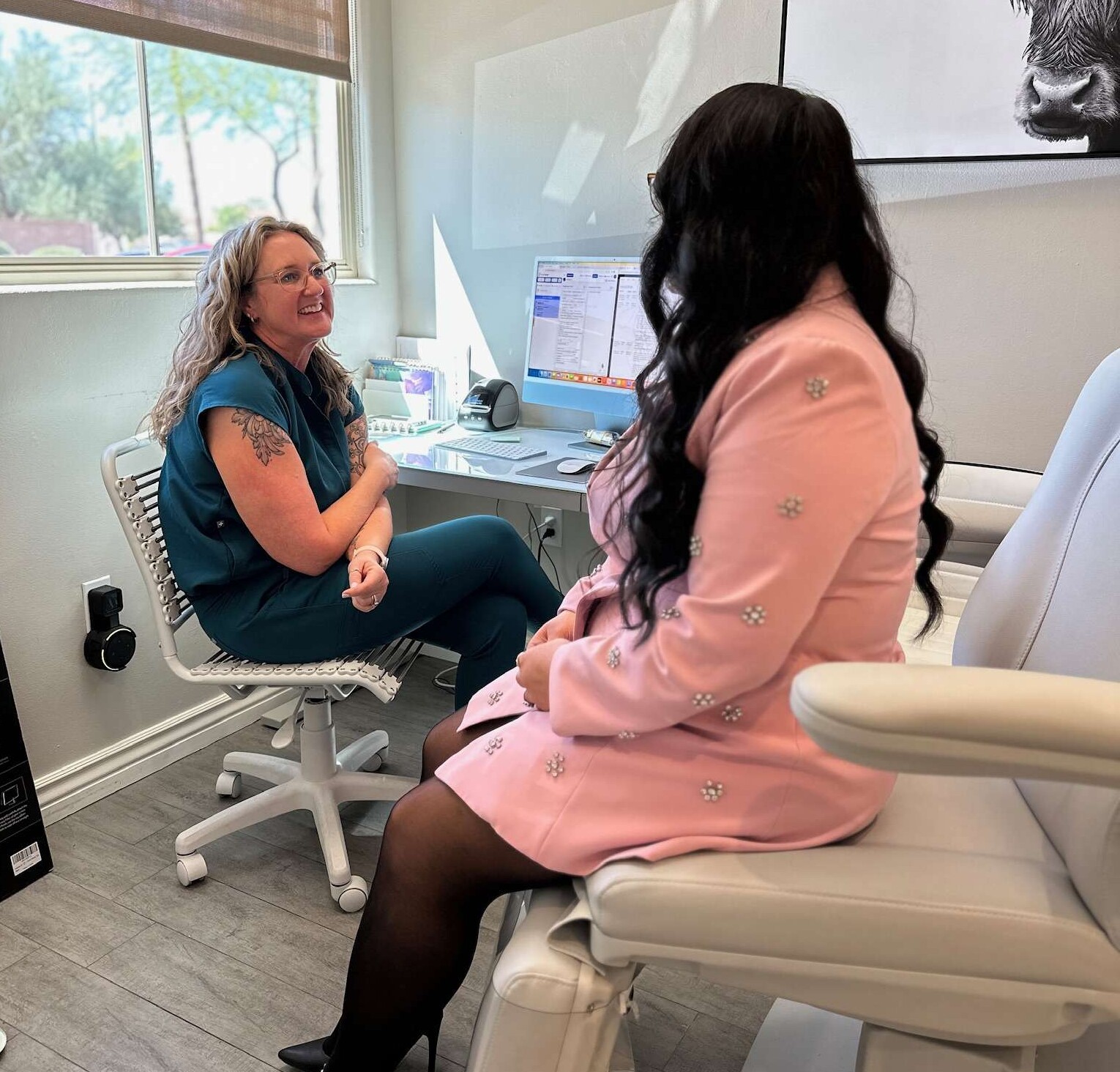

Provider and patient during a medical weight loss consultation at AZ Vitality and Wellness in Peoria, AZ
At a glance
Melynda Fenn, FNP-C
Kenra Johnson, FNP-C

Who you’ll see
Melynda Fenn, FNP-C, and Kenra Johnson, FNP-C, board-certified family nurse practitioners

Medication
GLP-1 medication, prescribed and monitored by your provider, with dose changes as you go

Labs and body scans
Lab draws and 3D body composition scans, done here in our Peoria clinic

Cost
Programs start at $350 a month. HSA cards and Cherry financing accepted.

Location and hours
7984 W Happy Valley Rd., Suite 115, Peoria · Tue–Fri 9 am–5 pm, Sat 10 am–3 pm

GLP-1 weight loss

How GLP-1 Weight Loss Medications Work
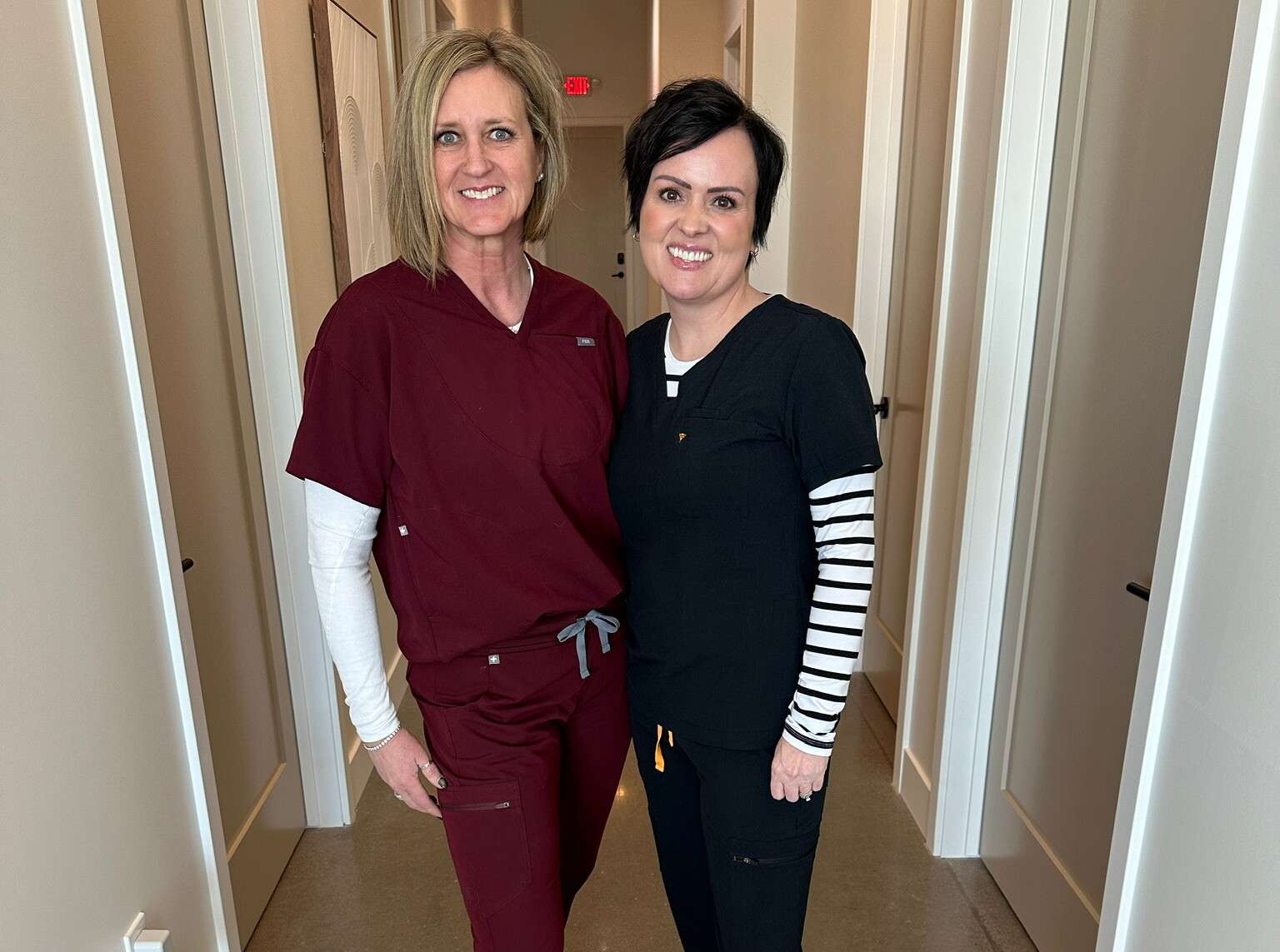
Melynda Fenn, FNP-C, and Kenra Johnson, FNP-C, at AZ Vitality and Wellness in Peoria, AZ

GLP-1 medications mimic a hormone your gut already makes after you eat. They slow how quickly your stomach empties, signal fullness to your brain, and quiet the constant food preoccupation that makes cutting back so hard to sustain. Most patients describe it less as appetite suppression and more as food taking up less space in their head.

For many people, that means fewer cravings, easier portion control, and steadier fat loss, without relying on willpower alone.

A plan, not just a prescription

Every GLP-1 prescription at AZ Vitality and Wellness is written and monitored by a provider and paired with practical nutrition and lifestyle guidance. You’ll always know what you’re taking, why, and what comes next.

Your medication

Choosing the Right GLP-1 Medication for You

There’s more than one GLP-1 medication, and they don’t all work the same way for everyone. Your provider will help you find the one that fits you.

How we decide together

More than one GLP-1 medication may be appropriate, and they don’t work the same way for everyone. Your provider weighs your medical history, whether you have type 2 diabetes, how you’ve tolerated similar medications, cost, and how your body responds over the first few months.

Some patients start on one and switch. That’s a normal part of the process, not a setback.

It’s not just willpower

Why Weight Loss Can Feel Harder Than It Should

Eating well and moving more matter, but they aren’t the whole picture. Hormones, blood sugar, sleep, stress, thyroid function, and some medications all affect how your body stores and releases weight. That’s why some people do everything right and still don’t see results.

Hormone changes

Perimenopause and menopause can shift weight toward the middle and make strategies that used to work stop working.

Low testosterone

Lower testosterone can mean less muscle, more body fat, and less energy and drive.

Insulin resistance

When your cells stop responding well to insulin, hunger, cravings, and stubborn weight tend to follow.

PCOS (now PMOS)

A lifelong hormonal and metabolic condition closely linked with insulin resistance and weight gain.

Thyroid function

An underactive thyroid can slow your metabolism and leave you tired, cold, and holding on to weight.

Sleep, stress, and medications

Short sleep and ongoing stress raise appetite and cravings, and some medications can make weight harder to lose.

Constant hunger, cravings, fatigue, poor sleep, or weight gain despite healthy habits? Bring it up at your consultation. Lab work can help show what’s going on.

How it works

How Our Medical Weight Loss Program Works

1

Consultation

About 40 minutes on your health history, medications, what you’ve already tried, and your goals, not just the number on the scale.

2

Labs, drawn on-site

When testing will help, we draw labs during your visit to look at hormones, thyroid, blood sugar, and more.

3

Baseline body scan

A 3D Styku scan measures body fat and lean mass so we can track what you’re actually losing.

4

Your plan

If medication is a good fit, you’ll know exactly what you’re prescribed, where it comes from, and how dosing will work.

5

Check-ins and adjustments

Regular provider check-ins to adjust your dose, manage side effects, and plan for maintenance.

Labs and body composition

Lab Testing and 3D Body Scans: What We Check

Lab work shows what’s happening beneath the surface before you start. Depending on your health history and symptoms, your provider may check:

  • Hormone levels
  • Thyroid function
  • Blood sugar and insulin markers
  • Cholesterol and metabolic markers
  • Vitamin and nutrient levels
  • Inflammatory markers

Not every patient needs labs before starting, but results often change the plan. They’re how we treat what’s behind the weight, not just the appetite.
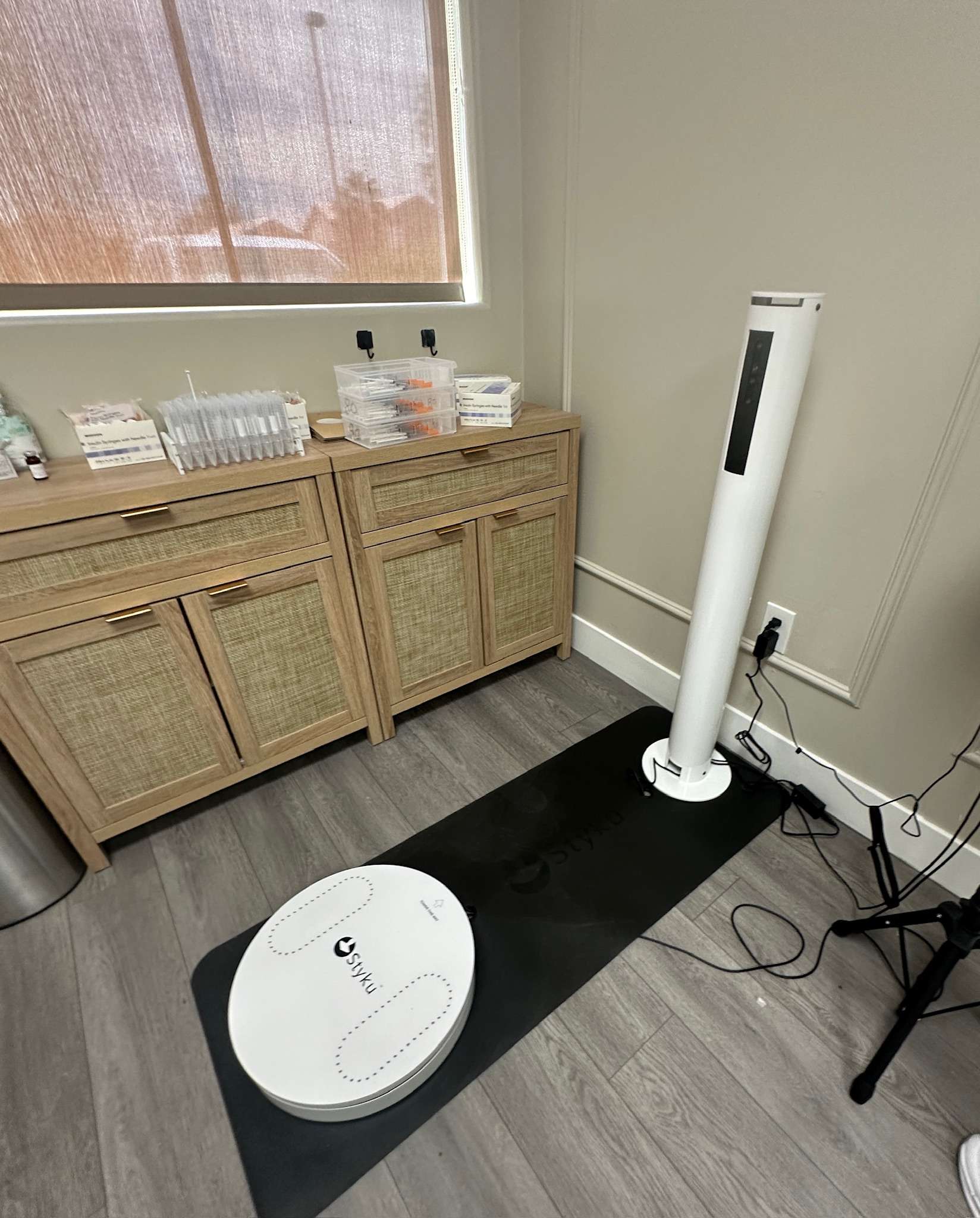
Why we scan, not just weigh

The scale can’t tell fat from muscle. Our Styku 3D body scanner takes about 35 seconds and measures body fat, lean mass, and shape, so we can make sure you’re losing fat while protecting muscle. That matters more than the number on the scale.

Styku 3D body composition scanner at AZ Vitality and Wellness in Peoria, AZ

Our Styku 3D body scanner, in the Peoria clinic.

What to expect

Your First 90 Days on a GLP-1

Everyone responds differently, but here’s how the first three months usually go.

Weeks 1 to 4

Start low

Your starting dose is deliberately low. Most people notice less appetite within the first two weeks. Weight change in month one is usually modest, and that’s expected.

Weeks 4 to 12

Adjust and settle in

Your dose is adjusted based on how you respond and how you feel, with provider check-ins in between. Many patients settle into a steady loss of about one to two pounds a week, though it varies.

Throughout

Track fat, not just weight

Body composition scans show whether you’re losing fat or muscle, so we can adjust protein, activity, or dosing early instead of guessing.

GLP-1 Side Effects and What to Expect

The most common side effects are digestive: nausea, constipation, and sometimes reflux or diarrhea. They’re most noticeable in the first few weeks and after a dose increase, and for most patients they ease as the body adjusts. Starting low and increasing slowly is how we keep them manageable.

Less common but more serious risks, including a personal or family history of certain thyroid cancers and pancreatitis, are reviewed with every patient before anything is prescribed.

If something isn’t tolerable, tell us. Adjusting your dose or timing usually helps, and changing course is always an option.

What Happens If You Stop Treatment?

Honestly, many people regain weight after stopping, and any clinic that tells you otherwise isn’t being straight with you. These medications change appetite signaling while you’re taking them.

What changes the outcome is what you build along the way: muscle, eating patterns, sleep, activity, and treatment of any hormone or metabolic issues your labs uncover. That’s the point of running labs at the start instead of just writing a prescription.

Some patients taper to a lower maintenance dose. Others stop and hold their weight. A few restart later, and that’s a normal choice too.

Cost

How Much Does Medical Weight Loss Cost in Peoria?

Cost depends on which medication you’re prescribed, your dose, and whether you’re on a monthly program or paying per visit. What’s included matters as much as the price.

Programs start at

$350 / month
  • Provider visits
  • Dose adjustments
  • Regular check-ins

We’ll give you the full number at your consultation before you commit to anything, including what it looks like at maintenance dosing, not just the first month. We accept HSA cards, and we’ve partnered with Cherry to offer financing.

Is this you?

Who Is a Good Candidate for Medical Weight Loss?

It may be a good fit if you:

  • Have tried dieting but can’t lose weight consistently
  • Lose weight but regain it quickly
  • Struggle with cravings or constant hunger
  • Suspect hormones or metabolism are working against you
  • Want medical guidance and accountability

When GLP-1s may not be the right fit

GLP-1 medication may not be an option if you’re pregnant or breastfeeding, have a personal or family history of certain thyroid cancers, have had pancreatitis, or have certain other medical conditions.

If that’s you, we’ll say so directly rather than look for a way to prescribe it, and we’ll talk through whether another approach makes more sense.

AZ Vitality and Wellness patient Rikki I. before and after medical weight loss

Patient stories

Real Patient Experiences With AZ Vitality and Wellness

“Melynda and the crew at AZ Vitality and Wellness are amazing. She is always informative. I always feel heard, and my questions are answered with care! I have been through lots of different health and weight programs, and the medication is by FAR the best one I’ve been on. I have steadily lost about a pound a week for the last year, which has been sustainable and consistent. I still enjoy food, but do not feel the constant thoughts around it like I used to.”

AZ Vitality and Wellness patient

★★★★★ 4.9 average from 195+ Google reviews · Read our Google reviews →

Individual results vary. Weight loss depends on your health history, medication, dose, and the habits you build along the way.

Meet your providers

Nurse practitioners who actually listen.

Care at AZ Vitality and Wellness is led by board-certified family nurse practitioners with backgrounds in emergency medicine, trauma and women’s health. Every plan starts with listening to how you’ve been feeling.

Melynda Fenn, FNP-C, founder and medical director of AZ Vitality and Wellness

Melynda Fenn

FNP-C · Founder & Medical Director

Kenra Johnson, FNP-C, nurse practitioner at AZ Vitality and Wellness

Kenra Johnson

FNP-C · Nurse Practitioner

Support your results

Services That Support Your Weight Loss

Medication works best as part of a bigger plan. Depending on your goals, your provider may suggest:

Hormone health

Testing and treatment when hormones are part of the weight picture.

In-house lab testing

Lab draws at our Peoria clinic, reviewed with you by your provider.

Styku 3D body scanning

Track body fat, lean mass, and measurements, not just weight.

EMSCULPT NEO

Non-invasive body contouring at our Peoria clinic. Ask your provider whether it fits your plan.

Peptide therapy

Sometimes added to a broader wellness plan. Your provider can explain whether it fits your goals.

B12 and lipotropic injections

Quick vitamin and wellness shots from our Peoria shot bar. Ask your provider whether they fit your plan.

Visit us

Medical Weight Loss Near Peoria, Glendale, Surprise, and North Phoenix

AZ Vitality and Wellness serves patients throughout Peoria, Glendale, Surprise, North Phoenix, Vistancia, Lake Pleasant, and the rest of the West Valley from our clinic at 7984 W Happy Valley Rd., Suite 115, Peoria, AZ 85383.

Our Peoria clinic

We’re open Tuesday through Friday from 9 am to 5 pm and Saturday from 10 am to 3 pm.

Call or text 602-540-3547

FAQ

Medical Weight Loss FAQs

Most patients lose weight gradually, often around one to two pounds a week once their dose is settled. The first month is usually slower because we start at a low dose. Your pace depends on your medication, dose, health history, and habits.
It depends on your medical history, whether you have type 2 diabetes, how you’ve tolerated similar medications, cost, and how your body responds over the first few months. Your provider will tell you exactly what you’re prescribed and where it comes from, and some patients switch along the way.
When prescribed and monitored by a provider, GLP-1 medications are generally safe and well tolerated. We review your full health history before starting, including any history of certain thyroid cancers or pancreatitis, and check in regularly once you begin.
Nausea, constipation, and sometimes reflux or diarrhea, usually in the first few weeks and after a dose increase. Starting low and increasing slowly helps, and most side effects ease as your body adjusts.
Not every patient does, but it’s often recommended. Labs can uncover hormone patterns, thyroid concerns, blood sugar problems, and nutrient deficiencies that change your treatment plan. We draw them on-site at our Peoria clinic.
Not necessarily. Some patients taper to a lower maintenance dose, some stop and hold their weight, and some restart later. Many people regain weight after stopping, so we use your time on treatment to build muscle and habits and to address any underlying issues.
Yes, but in a realistic way you can keep up. We focus on practical nutrition, not extreme restriction.
Yes. Perimenopause, menopause, low testosterone, thyroid problems, and insulin resistance can all affect appetite, fat storage, and muscle. If hormones are part of the picture, we can evaluate and treat them alongside your weight loss plan.
Programs start at $350 a month and include provider visits, dose adjustments, and check-ins. We accept HSA cards and offer financing through Cherry. You’ll get your full cost at the consultation, including maintenance dosing, before you commit.
Body weight is one number. Body composition breaks it down into fat, muscle, and other tissue. Our Styku 3D scan tracks those changes, so you can see that you’re losing fat and not muscle, even when the scale is slow.

Start Your Medical Weight Loss Plan in Peoria

If you’re ready for a plan built around your body, your labs, and your goals, we’re here to help. Book a consultation, or call or text us with questions first.

Medical disclaimer: This page is for educational purposes only and is not a substitute for professional medical advice, diagnosis, or treatment. Always consult a qualified healthcare provider with questions about your health.