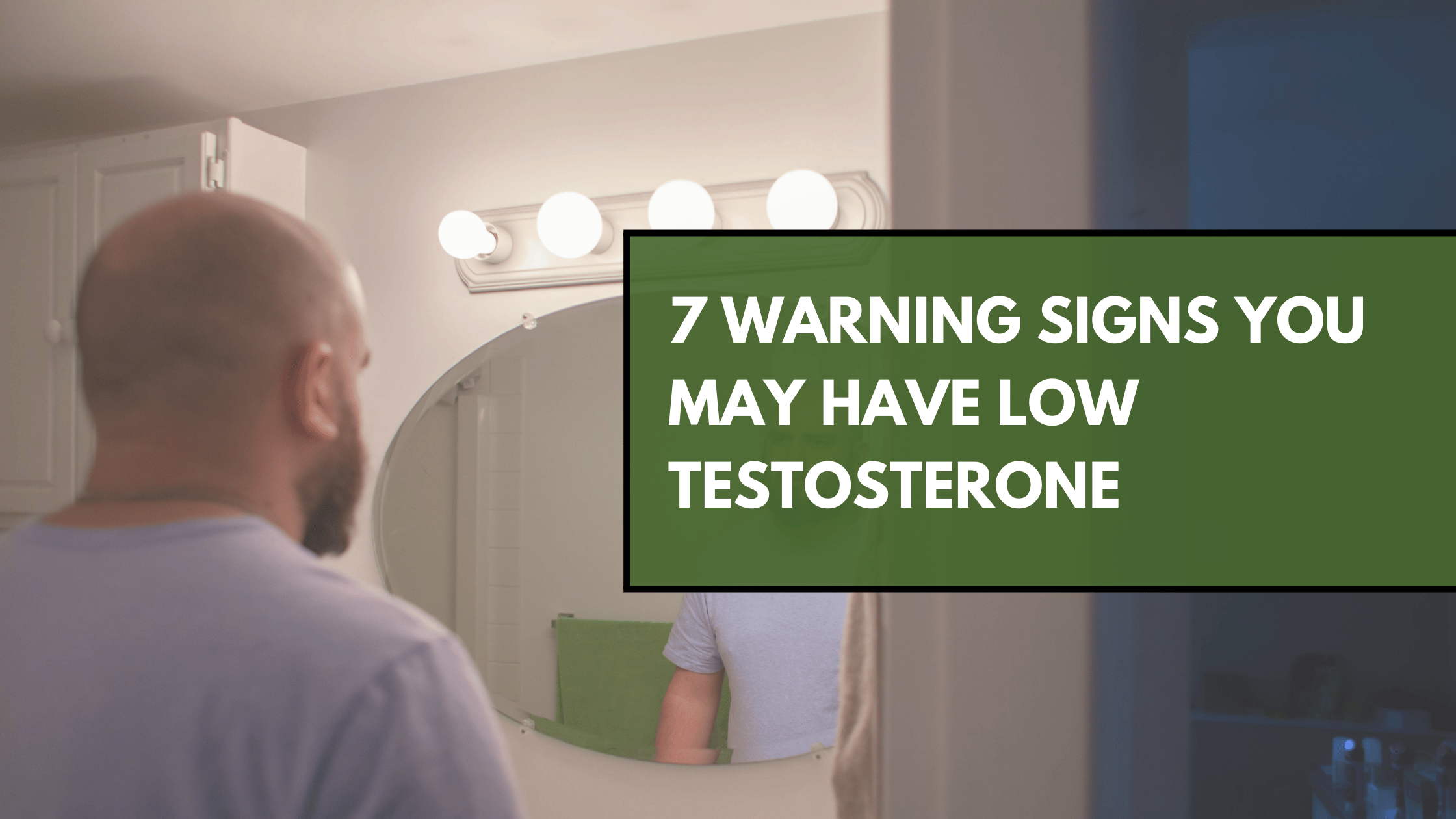
7 Signs of Low Testosterone in Men (and When to Get Tested)
By Melynda Fenn, FNP-C, AZ Vitality and Wellness, Peoria, Arizona. Updated September 2026.
What Low Testosterone Actually Is
Low testosterone, or low T, occurs when the body does not produce enough testosterone to function properly. This can affect your energy, mood, muscles, focus, and sexual health. It is more common as men get older, but it can happen at any age.
Most men do not come to the clinic saying, “I think my testosterone is low.” Instead, they tell us they just feel off, and it has lasted long enough that it is not just a bad week. The symptoms listed below are the ones we hear most often at our Peoria clinic. These symptoms are important because they can be measured. A blood test can confirm if testosterone is low, and if it is, we can talk about options like testosterone replacement therapy in Peoria.
Here are the seven signs that most often turn out to be hormonal.
1. Low Sex Drive: When Desire Drops Off
Yes, reduced libido is one of the earliest and most common signs of low testosterone in men, and it is often the first one noticed. Testosterone is the primary driver of sexual desire in men, so when levels fall, interest tends to fall with them.
What this looks like day to day:
Stress and fatigue absolutely affect libido too. The difference worth noting is duration. If desire has been low for more than a few weeks and nothing in your life explains it, that is a reason to check your levels rather than wait it out. We cover this in more depth under men’s sexual health.
2. Erectile Dysfunction: Can Low Testosterone Cause ED?
Low testosterone is one contributor to erectile dysfunction, and it is worth testing for, but it is rarely the only one. Testosterone supports arousal signaling and healthy blood flow, so low levels can contribute to these issues. ED is more often multifactorial, involving vascular health, blood pressure, blood sugar, medications, sleep, and stress.
What men describe:
This one matters beyond the bedroom. Erectile dysfunction can be an early marker of cardiovascular disease, sometimes years before other symptoms appear. That is why a proper evaluation looks at more than hormones, and why “just get on testosterone” is the wrong answer to ED on its own.
3. Fatigue That Sleep Does Not Fix
Persistent fatigue that does not improve with rest is one of the most frequently reported symptoms of low testosterone. Testosterone influences how the body produces and uses energy, so low levels can leave you depleted even after a full night’s sleep.
What this looks like day to day:
Fatigue has many causes worth ruling out, including thyroid dysfunction, anemia, sleep apnea, vitamin D deficiency, and depression. A good workup checks all of them, not just testosterone. That is part of why a full lab panel is more useful than a single number.
4. Irritability and Mood Swings: Does Low Testosterone Cause Irritability?
Low testosterone is associated with irritability, low mood, and reduced motivation, and mood changes are one of the more common reasons men end up getting tested. Testosterone interacts with the systems that regulate mood, so a drop can show up emotionally before it shows up physically.
What this looks like day-to-day:
And no, it is not just the 115-degree August afternoon, although living through an Arizona summer does not help anyone’s patience. If the shift has lasted months rather than weeks, it is worth investigating. Mood is only one sign that your hormones may be out of balance, and low testosterone is one possible contributor among several.
5. Losing Muscle and Strength Despite Training
Yes, low testosterone can cause loss of muscle mass and strength because testosterone drives the protein synthesis that repairs and builds muscle tissue. When levels fall, the same training produces fewer results.
What this looks like day to day:
This one tends to creep in over a year or two, making it easy to write off as just getting older. The tell is effort versus result: if you have kept the effort steady and the result has changed, something else is going on.
6. Brain Fog: Can Low Testosterone Cause Brain Fog and Trouble Concentrating?
Low testosterone is associated with brain fog, difficulty concentrating, and memory complaints. Testosterone receptors are present throughout the brain, including regions involved in memory and attention, and men with low levels frequently report feeling mentally dull.
What men describe:
Two honest caveats. First, brain fog has many possible causes, including poor sleep, thyroid problems, nutrient deficiencies, medication side effects, depression, and chronic stress, and all of those are worth ruling out. Second, while low testosterone is associated with these complaints, research on whether testosterone treatment improves cognition has been mixed. A 2017 study published in JAMA found that a year of testosterone treatment did not improve memory or other cognitive function in older men with low testosterone and age-associated memory impairment. Testing is worthwhile because it answers a question and may reveal a treatable cause. Expecting testosterone alone to restore mental sharpness is not what the evidence supports.
7. Changes in Testicle Size or Semen Volume
Reduced semen volume and, less commonly, changes in testicular size can accompany low testosterone, because the same hormonal signaling supports sperm production and testicular function.
Worth knowing: noticeable testicular shrinkage is more strongly associated with taking external testosterone or anabolic steroids, which suppress the body’s own production, than with age-related low testosterone. If you are already on testosterone from any source, including online or gray-market suppliers, this is an important thing to discuss with a provider.
Semen volume also varies normally with hydration, frequency, and age, so a single change is not a diagnosis. A consistent, sustained reduction, alongside the other symptoms on this list, is what makes it worth raising.
How to Get Your Testosterone Levels Checked
Low testosterone is diagnosed with a blood test, not from symptoms alone. Symptoms tell you whether to test. The lab tells you what is actually happening.
What the lab numbers mean
Total testosterone is the standard initial measurement, and it is usually drawn in the morning because levels are highest early in the day and decline as the day progresses. A single borderline result is normally repeated on a second morning before anything is concluded, because testosterone fluctuates day to day.
Total testosterone on its own is also an incomplete picture. Free testosterone, the portion actually available to your tissues, can be low even when total testosterone levels are within the normal range, which is why a full panel typically includes free testosterone, SHBG, estradiol, LH, and FSH alongside general health markers.
What happens at AZ Vitality and Wellness
We start with lab work and a conversation about what you are actually experiencing, because the numbers only mean something in the context of your symptoms. Bloodwork is drawn through our in-house lab services in Peoria, so you don’t have to go across town for it. From there, we review the results with you, explain what they do and do not show, and discuss options, which may or may not include testosterone replacement therapy. Some men leave with a treatment plan. Some leave knowing their hormones are fine and that the cause lies elsewhere, which is also a useful answer.
What the Current Evidence Says About TRT
Testosterone replacement therapy has been studied more closely in recent years, and the guidance has changed. On February 28, 2025, the FDA required class-wide labeling updates for all testosterone products. The updates added results from the TRAVERSE trial, which found no increase in major cardiovascular events among men treated for hypogonadism, and removed the boxed warning language about increased cardiovascular risk. At the same time, the FDA added a new class-wide warning about increased blood pressure, based on ambulatory monitoring studies. The existing limitation of use for age-related hypogonadism remained in place.
In plain terms: the heart attack concern that shaped a decade of headlines was not confirmed in a large trial, and blood pressure is a real effect that should be monitored during treatment. That is why anyone on TRT should be followed with periodic labs and blood pressure checks rather than simply handed a prescription.
Frequently Asked Questions About Low Testosterone

Talk to a provider in Peoria, Arizona
If several of these signs sound like your last six months, you do not have to keep guessing. A blood test gives you an answer, and an answer is better than another year of wondering.
AZ Vitality and Wellness is in Peoria at 7984 W Happy Valley Road, Suite 115, and we work with men across the West Valley. Your first visit is a conversation and a lab panel, not a sales pitch. We will tell you what the numbers show, including whether they show that your hormones are fine. You can read more about our approach to men’s hormone therapy or meet the providers you would be working with.
Book online with Melynda, or call 602-540-3547. Everything discussed stays between you and your provider.